
Why Your Skin Looks Dull Despite Skincare (And How to Fix It)
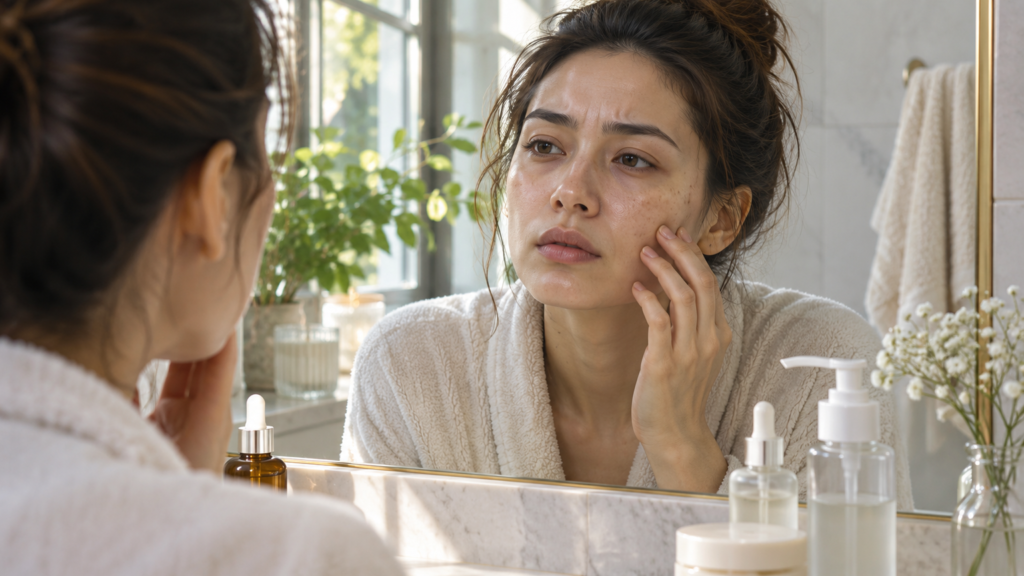
Discover the reasons for dull face, from buildup to dehydration, and learn practical ways to revive your glow. Read the guide and refresh your routine.
HydraFacial vs Regular Facial: Which One Is Worth It?
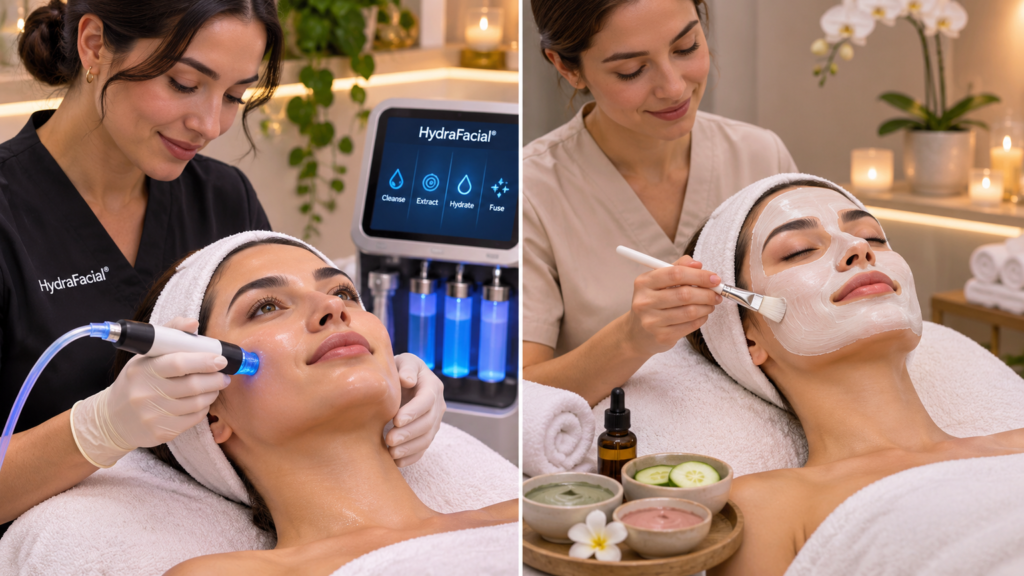
HydraFacial vs regular facial: compare steps, benefits, and costs to choose the right treatment for your skin. Read the guide before booking.
Best Facial for Instant Glow: Clinical vs Salon Facials
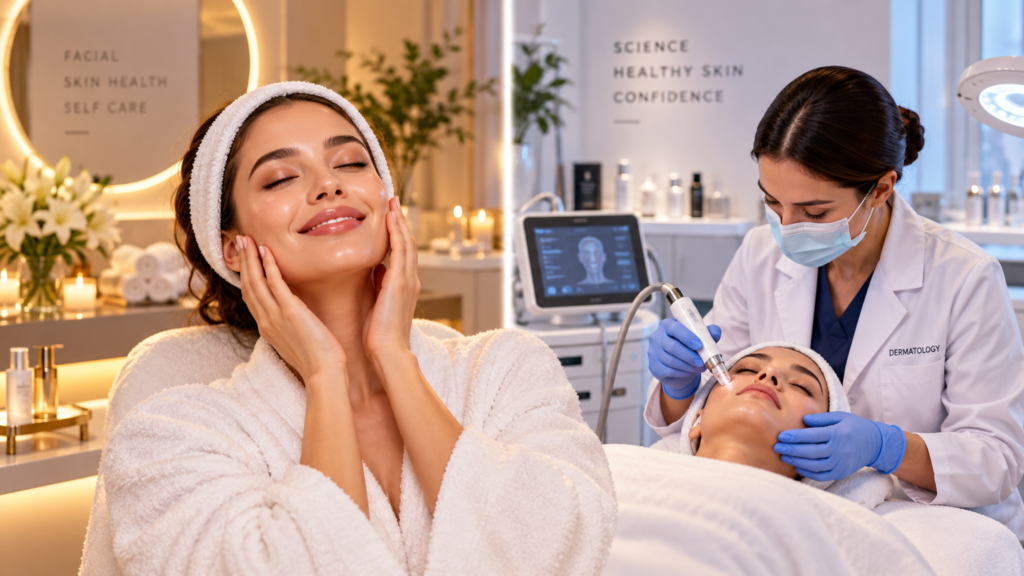
Find the best facial for instant glow by comparing clinical and salon options, benefits, downtime, and what to expect. Choose your treatment today.
Dark Circle Causes That Sleep Alone Can’t Fix
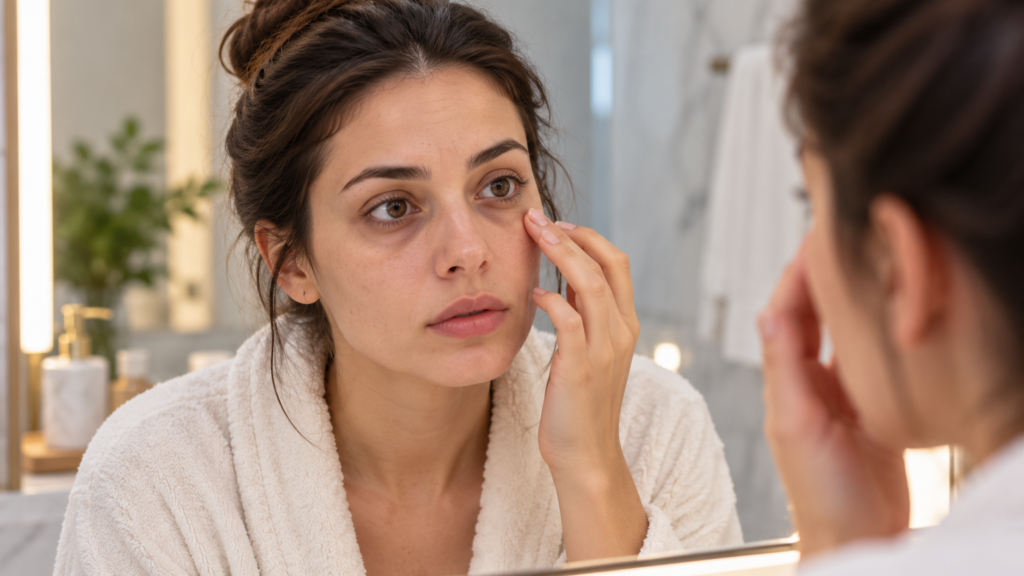
Why dark circles dont go away: explore causes sleep cannot fix, from genetics to pigmentation, and learn what to discuss with a dermatologist.
How to Remove Dark Circles Permanently and Safely
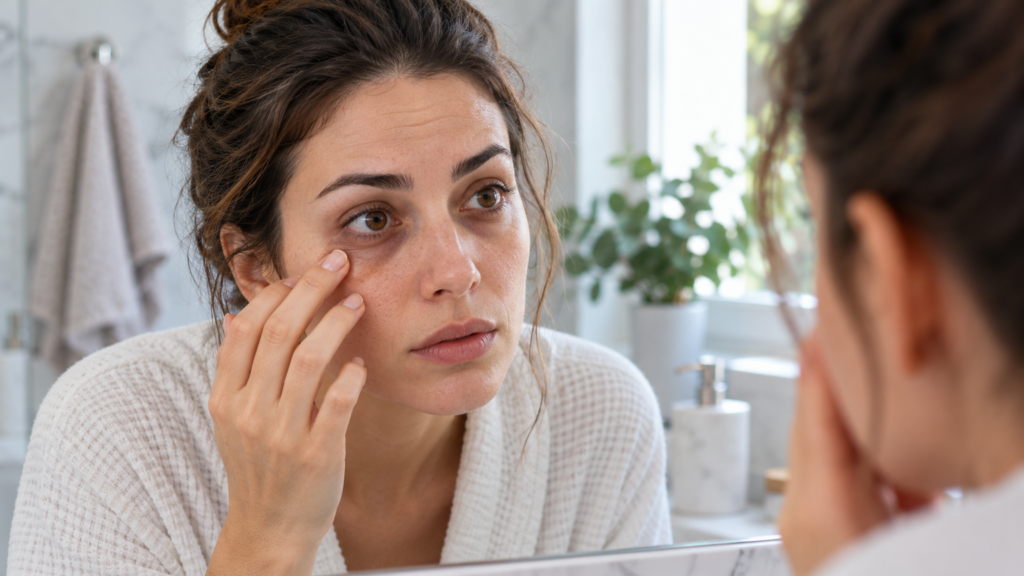
Learn how to remove dark circles permanently by identifying causes, choosing safe treatments, and knowing when to see a dermatologist. Read on.
Laser Skin Rejuvenation Before and After: Real Patient Results
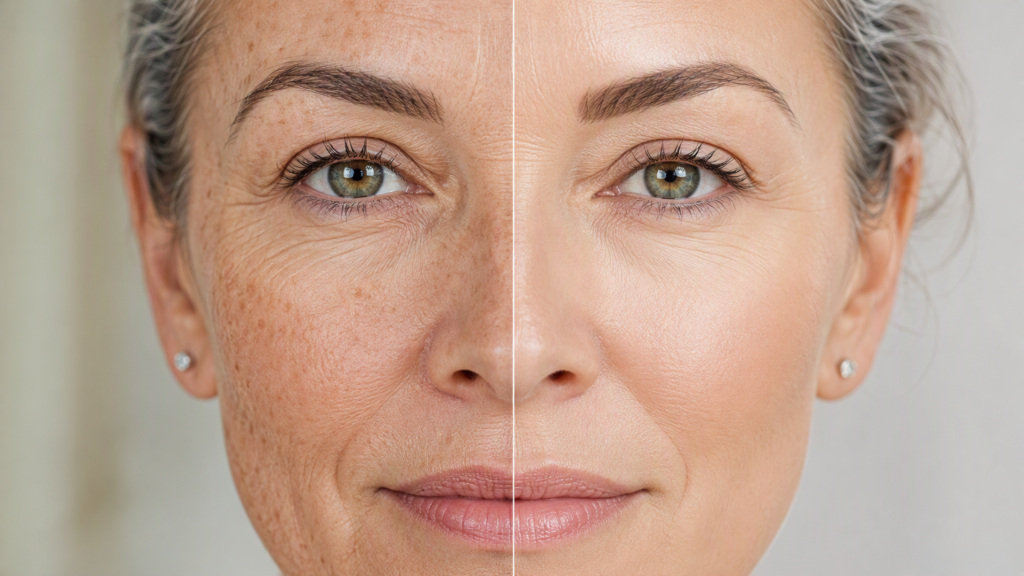
See laser skin rejuvenation before and after photos from real patients. Compare results, treatment timelines, and what to expect from your first session.
Best Non-Surgical Treatment for Wrinkles: Expert Guide

Looking for the best non-surgical treatment for wrinkles? You are not short on options. From Botox and dermal fillers to laser resurfacing and microneedling, today’s non surgical wrinkle treatment methods can soften fine lines, smooth forehead creases, and restore a more youthful look, without a single incision. Most treatments take under an hour, involve minimal downtime, and show visible results within one to two weeks. The right choice depends on your skin type, the depth of your wrinkles, and how much time you can spend on recovery. For most people, a combination approach works best, and a proper skin consultation is the smartest place to start. What Are Wrinkles, Really? Wrinkles have a funny way of showing up uninvited. You laugh at a joke, and a few years later, that same laugh line refuses to fade even when your face is completely still. In simple terms, a wrinkle is a fold, crease, or ridge in the skin that forms as the skin loses its natural elasticity. Think of your skin as a stretchy fabric. When it is young, it snaps back into place easily. Over time, that fabric thins out and loses its spring, and creases start sticking around longer than they used to. Causes Wrinkles do not appear out of nowhere. A few familiar culprits are usually behind them. Types of Wrinkles Not all wrinkles behave the same way, and understanding the type helps in choosing the right wrinkle treatment. Who Is Affected Wrinkles are often associated with older adults, but that picture is incomplete. Plenty of people in their late twenties and early thirties start noticing fine lines, especially around the eyes and forehead. Sun exposure, stress, screen time, and even sleeping position can accelerate the process. If you have caught yourself examining a new crease in the mirror earlier than expected, you are far from alone. Treatment Options to Reduce Wrinkles There is no single answer to what works best for everyone. The good news is that modern treatments to reduce wrinkles cover a wide spectrum, from quick injectables to deeper resurfacing procedures. Here is a clear comparison to help you weigh your options. Treatment How It Works Best For Sessions Needed Downtime Botox (Anti-wrinkle injections) Relaxes the muscles that cause repeated creasing Dynamic wrinkles, forehead wrinkles treatment 1 session, repeated every 3 to 4 months None to minimal Dermal fillers Adds volume beneath the skin to smooth static folds Nasolabial folds, deep lines 1 session, lasts 6 to 18 months Mild swelling for a day or two Chemical peels Removes the outer skin layer to reveal smoother skin beneath Fine lines, uneven texture 3 to 6 sessions 3 to 7 days of peeling Laser resurfacing Uses focused light energy to stimulate collagen and tighten skin Deeper wrinkles, sun damage 1 to 3 sessions 3 to 10 days Microneedling with growth factors Creates micro-injuries to trigger the skin’s natural repair process Fine lines, early aging signs 4 to 6 sessions 1 to 2 days Each of these qualifies as a genuine non surgical wrinkle removal approach, meaning there are no scalpels, no general anesthesia, and no long hospital stays involved. Many dermatologists combine two or three methods for a more complete, natural-looking result. Results and Recovery Timeline Sessions needed. This varies by treatment. Botox typically needs just one quick session, while microneedling and chemical peels work best as a series, spaced three to four weeks apart, to build results gradually. Downtime. One of the biggest draws of non surgical wrinkle treatment is how little it disrupts daily life. Injectables often allow you to return to work the same day. Resurfacing treatments may require a few days of visible peeling or redness, depending on intensity. Expected improvement. Results are rarely instant, and that is a good thing. Skin that improves gradually tends to look more natural. Botox usually shows visible smoothing within three to seven days. Collagen-based treatments, such as microneedling and laser therapy, take a bit longer, often six to twelve weeks, since they rely on your skin rebuilding itself from within. Safety and Who Should Avoid It Most modern approaches are considered a safe and effective anti wrinkle treatment, but it still helps to know the fine print before booking an appointment. Common Side Effects Who Should Avoid It A detailed consultation before any wrinkle removal treatment is the best way to rule these factors out early. A skilled dermatologist will always review your medical history before recommending a plan. Frequently Asked Questions 1. What is the best non-surgical treatment for wrinkles? It depends on your wrinkle type and skin goals. Botox works well for dynamic wrinkles like forehead lines, while fillers and laser resurfacing suit deeper, static folds. A dermatologist can recommend the most suitable option after examining your skin. 2. How long does a non surgical wrinkle removal treatment last? Botox typically lasts three to four months, dermal fillers can last anywhere from six months to nearly two years, and collagen-building treatments like microneedling offer more gradual, longer-term improvement. 3. What is the best non-surgical treatment for forehead wrinkles? Botox is widely regarded as one of the most effective options for softening forehead lines, since it directly targets the muscle movement that causes them. 4. Can fine lines be treated before they turn into deeper wrinkles? Absolutely. Early treatment for fine lines and wrinkles, such as microneedling or light chemical peels, can slow visible aging and often delays the need for more intensive procedures later. 5. Does non-surgical wrinkle removal hurt? Most treatments cause only mild discomfort. Numbing cream is commonly used before injectables and resurfacing sessions to keep the process comfortable. 6. How soon can I return to normal activities after treatment? This depends on the procedure. Botox and fillers usually allow you to resume regular activities the same day, while laser resurfacing may require a few days of downtime for the skin to heal. 7. Are results from non-surgical wrinkle treatment permanent? No treatment is permanent, since skin continues to
How to Tighten Loose Skin Without Surgery: Complete Guide

If you are wondering how to tighten loose skin without going under the knife, there is genuinely good news. Non-surgical skin tightening treatments, such as radiofrequency, ultrasound, and collagen induction therapy, work by stimulating your skin’s own collagen and elastin. This gradually firms the skin over several weeks to months. Most people need three to six sessions, spaced a few weeks apart, with little to no downtime. The results are not instant like surgery, but they look natural and continue improving over time. For mild to moderate skin laxity, skin tightening without surgery can genuinely deliver visible change, with no scalpels, no stitches, and no weeks off work. What Loose Skin Actually Is (And Why It Happens) Loose skin tends to sneak up on people. One year your jawline feels sharp and defined, and a few years later you notice yourself pinching the skin under your chin, wondering where that firmness went. Here is the simple explanation. Your skin relies on two main structural proteins to stay firm: collagen and elastin. Collagen provides structure, much like scaffolding supports a building. Elastin allows skin to snap back into place after you smile, frown, or squint. When production of these proteins slows down or the fibers themselves break down, skin loses its ability to bounce back and begins to sag. Causes Several factors contribute to this loss of firmness. Types of Sagging Loose skin does not look the same for everyone. It generally falls into a few categories. Who Is Affected Sagging skin is far more common than most people realize, and it is not limited to those in their fifties and sixties. It shows up in new mothers in their late twenties, in individuals who have lost significant weight, and even in fitness enthusiasts who built muscle quickly and later lost it. If your skin feels less firm than it once did, you are not imagining it, and you are certainly not alone in dealing with it. Treatment Options for Tightening Loose Skin There are now several established non-surgical skin tightening treatments available, and each one works a little differently. The table below offers a clear comparison to help you understand which option might suit your needs. Treatment How It Works Best For Sessions Needed Downtime Radiofrequency skin tightening Heats deep skin layers to trigger collagen remodeling Face, neck, mild to moderate body laxity 4 to 6 sessions None to minimal Ultrasound therapy (HIFU) Uses focused ultrasound energy to lift and tighten deeper tissue Brow, jowls, neck 1 to 3 sessions Minimal Collagen induction therapy (microneedling) Fine needles create controlled micro-injuries that boost natural collagen Face, stretch marks, mild sagging 4 to 6 sessions 1 to 2 days of redness Laser skin tightening Light energy heats tissue to stimulate collagen Face, neck, hands 3 to 5 sessions Mild redness Injectable skin boosters Hydrating agents plump and support the skin’s structural matrix Fine lines with mild laxity 2 to 3 sessions None Each of these falls under the broader category of non-invasive skin tightening, meaning there are no incisions, no anesthesia, and no scarring involved. The right choice depends largely on the degree of laxity and the specific area of concern. A consultation with a dermatologist is usually the fastest way to determine which treatment fits your skin. Results and Recovery Timeline Sessions needed. Most patients see the best outcomes with three to six sessions, spaced three to four weeks apart. This interval allows the skin adequate time to rebuild collagen between visits. Downtime. This is often the deciding factor for patients. Unlike surgery, which can require weeks of recovery, non-invasive skin tightening typically allows patients to resume their normal routine immediately, with at most mild redness that fades within a day. Expected improvement. Results build gradually rather than appearing overnight. Full collagen remodeling typically takes two to six months. Many patients notice a subtle lift after their first session, with firmness continuing to improve steadily as treatment progresses. Safety and Who Should Avoid It Loose skin treatment without surgery is generally very safe, though it is worth understanding both the common side effects and the situations where treatment should be avoided. Common Side Effects Who Should Avoid It A thorough consultation before any skin tightening treatment is essential to rule out these factors. A reputable clinic will assess your skin type, medical history, and treatment goals before recommending a course of action. Frequently Asked Questions 1. How long does it take to see results from non-surgical skin tightening? Most patients notice subtle changes within four to six weeks, with fuller results appearing around the three-month mark as collagen continues rebuilding. 2. Is radiofrequency skin tightening painful? Not typically. Most patients describe it as a warm, deep-massage-like sensation rather than pain. Numbing cream can be applied for sensitive areas if needed. 3. Can non-surgical treatments replace a facelift? For mild to moderate sagging, they can offer meaningful improvement. For severe, advanced laxity, surgery may still provide more dramatic results. A dermatologist can help determine which category applies to your skin. 4. How many sessions of collagen induction therapy will I need? Typically four to six sessions, spaced about a month apart, though the exact number depends on your skin’s condition and your goals. 5. Does skin tightening without surgery actually work long term? Yes, particularly when combined with sun protection and a healthy lifestyle. Results can last one to two years, and periodic maintenance sessions help extend that further. 6. Are there any age restrictions for these treatments? There are no strict age limits, but they tend to work best for individuals with mild to moderate sagging skin, generally anyone from their late twenties onward who is noticing early signs of laxity. 7. What is the difference between skin tightening and skin lifting? Skin tightening firms existing skin by boosting collagen production. Skin lifting, such as HIFU, targets deeper tissue layers to reposition sagging structures. The two approaches are often used together. About the Doctor Dr. Vani Veggalam — Founder &
Difference Between Botox & Fillers: Uses & Benefits Explained

Wondering about the difference between Botox & fillers? Here’s the short version: Botox relaxes the muscles that cause movement wrinkles (think frown lines and crow’s feet), while fillers add volume to areas that have gone hollow or flat, like cheeks and lips. Neither is “better” — they simply solve different problems. Botox smooths lines caused by expression. Fillers restore lost fullness and structure. Many people actually need both for a balanced, natural result. This guide breaks down uses, costs, safety, and recovery, so you can walk into your consultation already knowing your options. What’s Really Going On With Your Skin? Nobody wakes up one morning to find a full set of wrinkles staring back at them. It happens quietly, over years, through thousands of ordinary moments — laughing at a joke, squinting at your phone screen in bright sunlight, frowning while stuck in traffic. Each of these small, repeated movements gradually etches a line into the skin above the muscle. On top of that, your skin is fighting a second, quieter battle in the background: as you age, it simply makes less collagen and elastin, the two proteins that once kept your face plump and bouncy. Throw in sun exposure, gravity, and a slower cell turnover, and you end up dealing with two very different kinds of aging at once — one caused by movement, the other by a loss of structure underneath. This is actually the whole reason Botox and fillers exist as separate treatments. They’re not competing products fighting for the same job. They’re built to solve two completely different problems, and it starts with understanding what you’re actually looking at in the mirror. Definition Dermatologists usually describe this using two terms: dynamic wrinkles, the ones that only show up when a muscle moves, think of the lines that appear the moment you smile or raise your eyebrows static wrinkles, which stay visible even when your face is completely relaxed. Dynamic lines tend to sneak in first, sometimes as early as your mid-twenties if you’re an expressive person. Static wrinkles and volume loss usually show up later, once the skin has lost enough collagen and fat padding that it can’t bounce back on its own anymore. Causes What actually causes all this? It’s rarely just one thing. Repeated muscle movement is the main reason dynamic lines form in the first place, the more animated your expressions, the earlier they tend to appear. Beyond that, a few other factors usually pile up together: None of this happens overnight, which is exactly why most people don’t notice it creeping in until it’s already fairly visible. Types Now, when it comes to treatment, it helps to know that not all Botox and not all fillers are the same product. Types of Botox (Neuromodulators) All three work the same basic way, relaxing targeted facial muscles but differ slightly in dosing units, onset time, and how far they spread once injected. Types of Dermal Fillers Who Is Affected So who actually deals with all this? Pretty much everyone, eventually. Genetics decides a lot about when it starts and how visible it becomes, but lifestyle habits like sun exposure, smoking, stress, even how consistent your skincare routine is. Most people first notice dynamic lines somewhere in their late twenties to early thirties, while volume loss and static wrinkles tend to become more obvious through the late thirties and forties. But there’s no fixed rulebook here. Some people in their fifties still have remarkably smooth skin, and others notice changes much earlier which is exactly why a proper, personalised assessment matters far more than going by age alone. Botox and Fillers Difference: Breaking It Down This is the part everyone gets confused about, so let’s clear the fog. Botox is a purified protein that temporarily blocks nerve signals to targeted muscles. When a muscle can’t contract as forcefully, the skin above it stays smoother. It’s brilliant for expression lines — the ones that show up when you smile, squint, or raise your eyebrows. Dermal fillers, meanwhile, are gel-like substances (most commonly hyaluronic acid) injected beneath the skin to add volume, lift sagging areas, and plump up lips or cheeks. They don’t touch muscle movement at all — they physically fill in space that’s been lost. So when people ask if Botox is better than fillers, the honest answer is: it depends entirely on what you’re trying to fix. A Botox treatment for face wrinkles caused by muscle movement won’t do a thing for hollow cheeks, and fillers won’t stop your forehead from creasing when you’re surprised. Treatment Options Compared Feature Botox Dermal Fillers Main purpose Relaxes muscles to reduce movement lines Adds volume and restores facial contours Best for Forehead lines, frown lines, crow’s feet Cheeks, lips, nasolabial folds, jawline How it works Blocks nerve signals to muscles Physically fills space under the skin Onset of results 3–7 days Immediate Duration 3–4 months 6–18 months (varies by product) Downtime Minimal, almost none Minimal, mild swelling possible Sensation Quick pinch, no anaesthesia usually needed Numbing cream often used first When people search Botox vs dermal fillers, this table is essentially the cheat sheet they’re looking for. Both are non-surgical, both use fine needles, and both can be done during a lunch break. Results & Recovery Timeline Here’s where patience matters, because Botox vs fillers results don’t show up on the same schedule. Sessions needed: Most people need just one session to see a noticeable change with either treatment. Botox may need a touch-up two weeks later if the effect isn’t fully even. Fillers rarely need more than one sitting per area. Downtime: This is genuinely one of the best parts. There’s no bandage-wrapped recovery period here. You might see slight redness or a small bump at the injection site, but most people go straight back to work, errands, or dinner plans the same day. Expected improvement: With Botox, give it a week before judging the result — the muscle needs time to fully relax. Fillers,
Best Age to Start Anti-Aging Treatments? Expert Guide

The best age to start anti aging treatments is between the late twenties and early thirties, when collagen levels begin to decline but visible wrinkles have not yet formed. At this stage, preventive anti aging treatments such as medi-facials, mild chemical peels and a structured anti aging skin care routine are usually sufficient. From the age of 35, a skin tightening treatment or collagen-stimulating laser helps maintain firmness. After 45, the clinical focus shifts from prevention to correction. For patients asking when should you start anti aging treatments, the established principle is to begin before visible damage develops rather than after. What Is Skin Ageing? Skin ageing is a structural change within the skin. Collagen and elastin are the two proteins responsible for firmness, smoothness and elasticity. From approximately the age of 25, the body produces around one percent less collagen each year. Because this decline is gradual, it produces no visible change in the early years, and most patients become aware of it only once the cumulative effect appears on the surface. Clinically, skin ageing presents as thinning of the skin, fine lines, reduced radiance, uneven tone and a gradual loss of definition along the jawline. What Causes Skin Ageing? Skin ageing occurs through two distinct mechanisms. 1. Natural Aging Natural aging is genetically determined. Collagen synthesis reduces each year, oil gland activity declines, cell turnover slows, and the skin gradually loses its capacity to recover its shape. This process affects everyone, although the rate varies between individuals. 2. Lifestyle Aging Lifestyle aging results from external exposure and accounts for the majority of visible aging. Ultraviolet radiation is the leading cause, followed by pollution, inadequate sleep, high sugar intake, smoking and prolonged stress. In Hyderabad, where ultraviolet exposure remains high for most of the year, sun-related ageing frequently becomes visible almost a decade earlier than patients anticipate. The extent of this damage is easily demonstrated. Skin on the inner forearm, which receives limited sun exposure, typically remains smoother and more even in tone than skin on the back of the hand on the same individual. The difference between the two sites reflects accumulated ultraviolet damage. Types of Skin Aging You May Notice Who Is Affected Skin ageing affects everyone, though it becomes visible earlier in certain groups. Fair or naturally thin skin, a family history of early wrinkling, outdoor occupations, disturbed sleep and sustained stress all accelerate the process. Many women report a marked change around menopause, when declining hormone levels reduce skin hydration and elasticity over a relatively short period. What Age Should You Start Anti Aging Treatments? An Age-Wise Guide There is no single age at which every patient should begin treatment, and the question of what age should you start anti aging care is better answered by clinical assessment than by a birthday. For patients asking when should you start anti aging treatments, lifestyle, skin type and cumulative sun exposure are more reliable indicators than chronological age alone. Twenties. This is the appropriate stage for when to start anti-aging skincare. Daily broad-spectrum sunscreen, topical antioxidants and, where suitable, a low-strength retinoid are generally sufficient. The objective at this stage is protection rather than correction. Thirties. Collagen loss becomes measurable and early textural change appears. Early anti aging treatment is most effective here, typically light chemical peels, hydrating skin boosters and collagen-stimulating procedures introduced before laxity develops. Forties. Treatment shifts towards restoring volume and firmness. A skin aging treatment plan at this stage generally combines laser resurfacing, tightening devices and selective injectables. Fifties and beyond. Outcomes remain very good, though a greater number of sessions and a longer treatment period are required to achieve comparable improvement. In clinical practice, the optimal anti aging treatment age generally falls several years before patients believe intervention is necessary. This is why the best age to start anti aging treatments is consistently earlier than most people assume. Dermatologists frequently encounter patients who express regret at not seeking advice sooner. The reverse concern, that treatment was started too early, is rarely reported. Treatment Options: What Works at Each Age Selection of an appropriate anti ageing treatment is guided by clinical findings rather than age alone. The table below compares the most commonly recommended anti aging treatments for face, neck and jawline. Treatment Ideal Age Range What It Does Sessions Downtime Medi-facials & Antioxidant Care 22–30 Hydration, radiance, damage protection Monthly, ongoing None Chemical Peels 25–45 Smooths texture, fades pigmentation, refines pores 4–6, monthly 1–3 days of light peeling Skin Boosters / Mesotherapy 28–45 Deep hydration, softens fine lines 3 sessions, 4 weeks apart Minimal Microneedling with RF 30–50 Collagen remodelling, pore and scar refinement 3–4 sessions 2–3 days redness Laser Skin Tightening Treatment 35–60 Firms lax skin, lifts jawline and neck 3–6 sessions Little to none Botulinum Toxin 28–60 Relaxes expression lines Every 4–6 months None Dermal Fillers 35–65 Restores lost volume and contour 1 session, repeated yearly 1–2 days swelling Thread Lift 40–60 Non-surgical lift for moderate sagging Single session 3–7 days Most patients require only two or three of these procedures in combination. A planned, well-spaced anti ageing treatment protocol delivers more reliable long-term results than isolated or infrequent sessions. Results and Recovery: What to Expect Each skin aging treatment follows a defined clinical timeline, and understanding this timeline before treatment allows patients to plan appropriately. How Many Sessions You Will Need Non-invasive procedures work cumulatively rather than immediately. Chemical peels and microneedling generally require four to six sittings at intervals of three to four weeks. Laser tightening protocols typically involve three to six sessions. Injectable treatments produce visible results considerably sooner, usually within one week. Downtime After Treatment Recovery periods are short for most procedures performed in an outpatient setting. Expected Improvement Over Time Weeks 1–2: improved hydration and surface radiance. Weeks 4–8: refinement of texture and softening of fine lines. Months 3–6: measurable collagen remodelling, with a visible improvement in firmness. Collagen regeneration is a biological process rather than a cosmetic effect, and the final result therefore