
You booked a facial before a wedding, interview, or holiday because your skin looked tired in the mirror. Then you see a menu full of options and wonder whether the extra treatment is really worth it. The hydrafacial vs regular facial question is not about choosing the “best” treatment for everyone. It is about choosing what your skin needs today.
A regular facial can feel restorative and tailored, especially when you want massage, targeted products, and a slower appointment. A HydraFacial follows a more structured cleansing and hydration process. This guide explains the real differences, what to expect, and how to make a confident choice without chasing a trend.
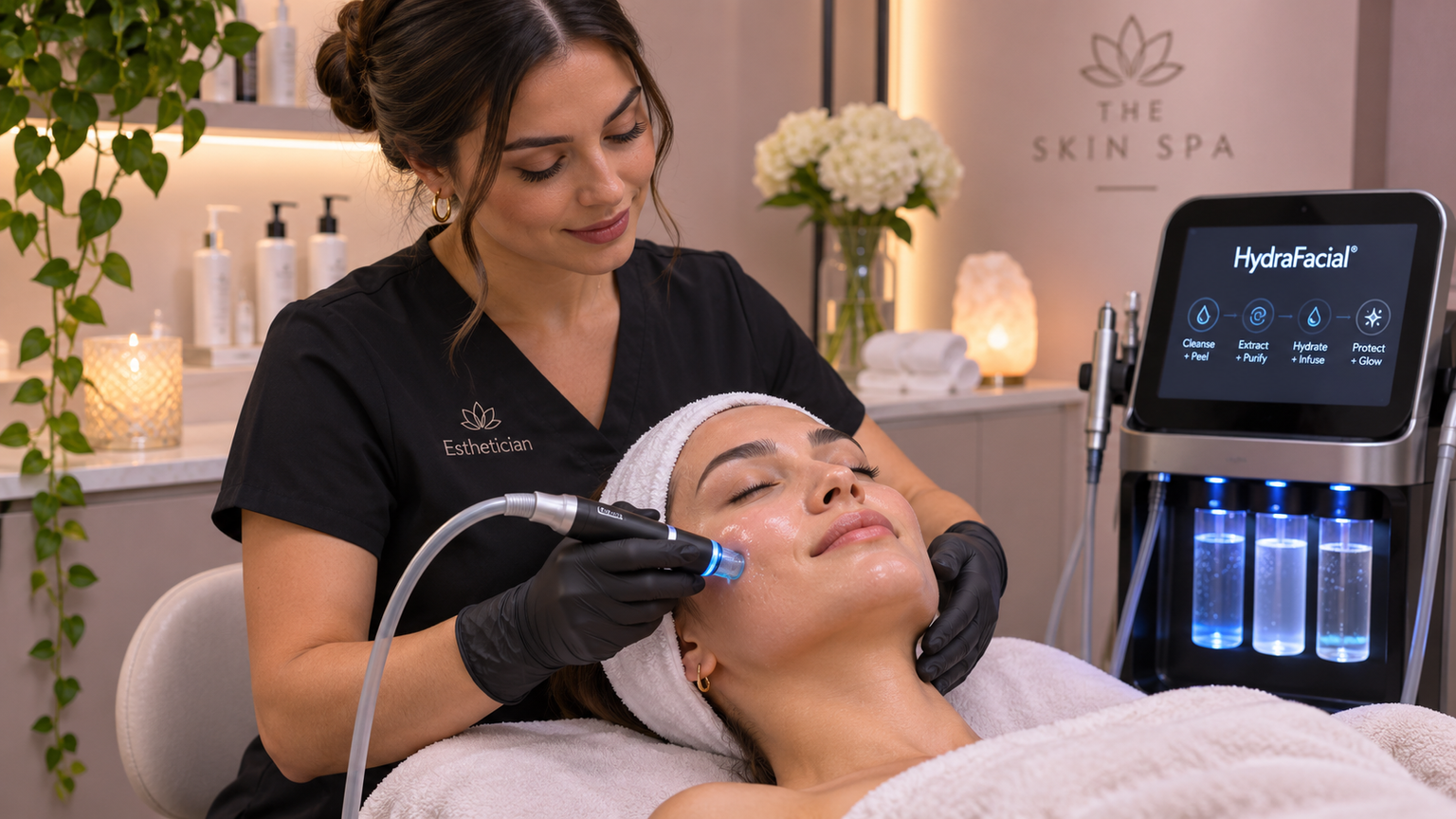
Table of contents
- HydraFacial vs Regular Facial: The Core Difference
- What Happens During Each Treatment?
- Choosing Based on Skin Goals, Comfort, and Budget
- How to Get the Most From Your Facial
- Frequently Asked Questions
- Make the Right Choice for Your Skin
HydraFacial vs Regular Facial: The Core Difference
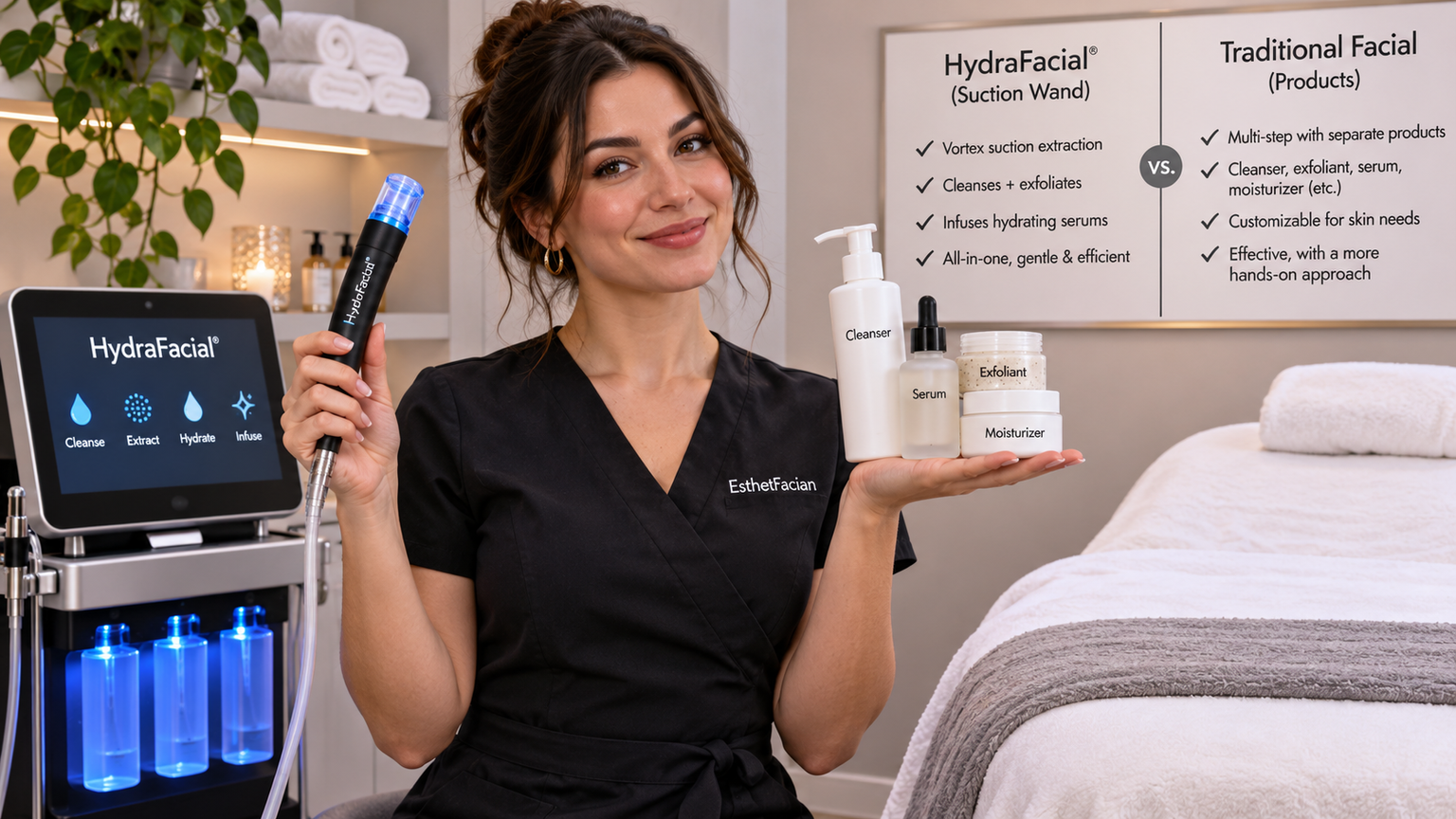
In the hydrafacial vs regular facial comparison, HydraFacial is usually the better fit for someone seeking deep cleansing, gentle extraction, and immediate hydration in one standardised treatment. A regular facial may be better when you want a treatment adapted around your current skin concerns, relaxation preferences, and product sensitivities.
A HydraFacial is a device-based treatment. A practitioner cleanses and exfoliates the skin, uses suction to remove surface debris from pores, then applies hydrating serums. The experience is generally quick and methodical. It can be appealing before an event when you want your skin to look fresh without a lengthy recovery period.
A regular facial is a broader category. It may include cleansing, steaming, exfoliation, manual extractions, masks, massage, and moisturising products. The exact steps can vary greatly between clinics and therapists. That flexibility can be useful if your skin feels dry, congested, sensitive, or simply stressed.
Neither option replaces a dermatologist’s care for persistent acne, rosacea, eczema, or a sudden skin reaction. Think of both as professional skin-maintenance treatments, not a cure for every concern.
What Happens During Each Treatment?
A HydraFacial appointment
A HydraFacial usually has a clear sequence. Your practitioner may adjust parts of the treatment, but the central process remains similar from one session to the next. It is often chosen by people who want a polished result without guessing what the appointment will involve.
- Cleanse and exfoliate: The skin is cleared of makeup, oil, and dead surface cells.
- Loosen congestion: A mild solution helps prepare the pores for extraction.
- Vacuum extraction: The device uses suction to lift debris from the skin’s surface and pores.
- Hydrate and protect: Serums are applied to support hydration and leave the skin feeling comfortable.
A regular facial appointment
With a regular facial, the practitioner has more room to personalise the experience. One visit may focus on dry, dull skin with gentle exfoliation and a nourishing mask. Another may include manual extractions if you have visible blackheads or clogged pores.
This is where the difference between hydrafacial and normal facial becomes especially clear. A traditional facial can include more hands-on massage and a calmer, spa-like pace. HydraFacial is more process-led and device-based, which some people prefer when they want a consistent routine.
Which result feels more noticeable?
Many people notice softer, more hydrated-looking skin after either treatment. Results depend on your skin condition, home routine, and the products used. If your concern is surface congestion and you like the idea of suction-based extraction, HydraFacial may feel more satisfying. If you want comfort, relaxation, and a plan built around your skin that day, a regular facial can be equally worthwhile.
Choosing Based on Skin Goals, Comfort, and Budget
Asking “is hydrafacial better than regular facial” makes sense, but the honest answer is: only when its strengths match your goal. A treatment that works beautifully for your friend may not be the right choice for your dry, reactive, or acne-prone skin.
| Consideration | HydraFacial | Regular facial |
|---|---|---|
| Approach | Device-based cleansing, extraction, and hydration | Hands-on treatment that can vary by provider |
| Best for | Those wanting a structured, refreshed finish | Those wanting a customised and relaxing session |
| Extractions | Usually suction-based | May include manual extraction |
| Experience | Efficient and treatment-focused | Often slower and massage-focused |
Consider your skin sensitivity
Tell your practitioner about active breakouts, recent peels, prescription skincare, allergies, or sensitivity before treatment. This matters more than choosing a treatment by name. A skilled provider should be able to explain what they recommend and what they would avoid.
Understand the price conversation
Hydrafacial cost can vary based on location, clinic, treatment add-ons, and the experience of the practitioner. Ask what is included before booking. Does the listed treatment include consultation, extractions, masks, or aftercare advice?
Regular facial pricing also varies because there is no single standard format. When comparing hydrafacial cost with a traditional option, compare the full appointment rather than the headline price alone. The right value is a treatment that suits your skin and leaves you with clear aftercare instructions.
How to Get the Most From Your Facial
- Arrive with clean skin where possible, and avoid trying a new active skincare product the night before.
- Share your full routine, including retinoids, exfoliating acids, and acne treatments.
- Do not book a first-time treatment immediately before a major event if your skin is unpredictable.
- Avoid picking at blemishes after extractions, even when a pore looks tempting in the mirror.
- Use gentle cleanser, moisturiser, and sunscreen afterwards unless your practitioner advises otherwise.
It also helps to set one realistic goal. You may want smoother makeup application, fewer visible clogged pores, or a calmer-looking complexion. Clear expectations make it easier to decide whether to repeat the treatment or try another approach next time.
Frequently Asked Questions
Is hydrafacial better than regular facial for acne?
Is hydrafacial better than regular facial for acne? It depends on the type and severity of acne. For active, inflamed, or painful breakouts, seek professional medical advice first. A practitioner can help decide whether gentle treatment, delayed extraction, or a different plan is safer.
What is the difference between hydrafacial and normal facial?
The difference between hydrafacial and normal facial is mainly the method. HydraFacial uses a device for cleansing, suction, and serum application. A normal facial usually relies on hands, skincare products, masks, and optional manual extraction, with greater variation between appointments.
How often should I get a facial?
Your ideal schedule depends on your skin goals, budget, and how your skin responds. Some people book around special occasions, while others build facials into a regular skincare routine. Ask your practitioner for advice based on your skin rather than following a fixed schedule.
Make the Right Choice for Your Skin
The hydrafacial vs regular facial decision becomes simpler when you focus on your needs. Choose HydraFacial if you want a structured treatment with cleansing, suction, and hydration. Choose a regular facial if personalised care, massage, and flexibility matter most to you.
Before you book, share your concerns and current skincare routine openly. A thoughtful consultation can prevent disappointment and help you choose a treatment your skin will genuinely appreciate. For professional guidance, explore Cleo Skin Clinic and discuss the right facial approach for your complexion.