

You wake up after a full night’s sleep, look in the mirror, and still see shadows under your eyes. It can feel frustrating, especially when you have made an effort to rest, drink water, and slow down. The truth is that dark circle causes go far beyond one late night. Sleep matters, but your skin tone, facial structure, allergies, habits, and even family traits can affect how the under-eye area looks.
If you have dark circles despite sleep, you are not doing anything wrong. Understanding what is happening beneath the skin can help you stop guessing and choose a more useful next step.
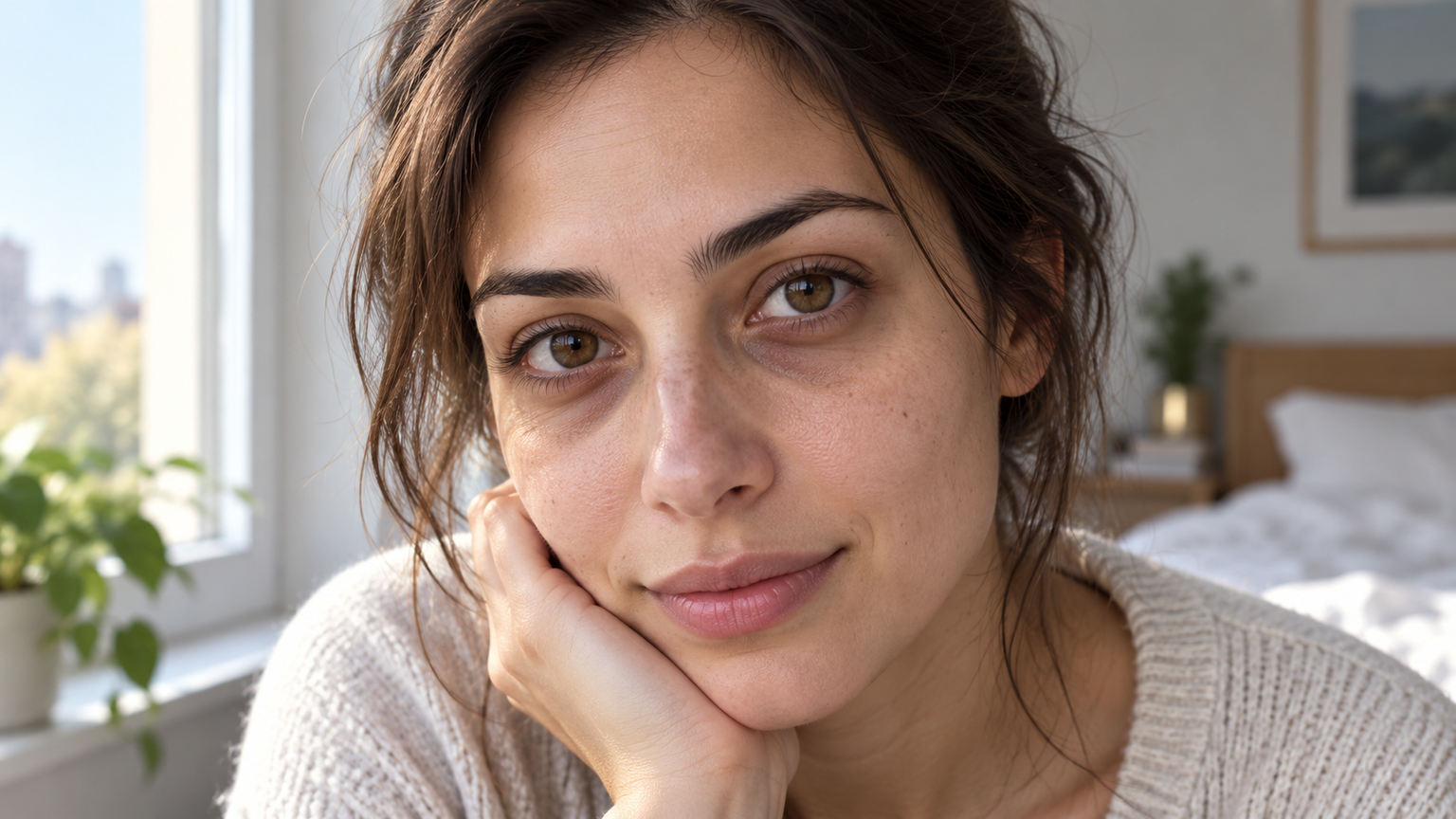
Table of contents
- Understanding the Common Dark Circle Causes
- Why Your Under-Eye Area Can Still Look Tired
- Sleep Is Important, But It Is Not the Only Factor
- Simple Habits That Can Make a Visible Difference
- Frequently Asked Questions
- Find the Right Answer for Your Under-Eye Concerns
Understanding the Common Dark Circle Causes
Dark circles can remain after eight hours of sleep because they are not always caused by tiredness. The most common dark circle causes include natural pigmentation, visible blood vessels, hollow under-eyes, puffiness, irritation, and genetics. Sleep may make these concerns look more noticeable, but it cannot always remove the underlying reason.
The skin below your eyes is thin and delicate. When blood vessels show through it, the area may look blue, purple, or grey. If your skin produces more pigment in that area, the circles may appear brown. In some people, a natural hollow between the lower eyelid and cheek creates a shadow that looks like a dark circle.
This is why two people can sleep the same number of hours and look very different in the morning. Lack of sleep dark circles are real, but they are only one possible type. A close look at the colour, shape, and timing of your under-eye shadows often gives more useful clues than counting your hours of sleep alone.
Why Your Under-Eye Area Can Still Look Tired
When people ask why dark circles don’t go away, the answer often lies in what they see: colour, shadow, or swelling. These can occur together, which is why one simple remedy may not change much. Looking at the pattern can help you understand what needs attention.
Natural pigment and family traits
Brown-toned circles often relate to pigmentation. They may be more noticeable in people with naturally deeper skin tones or in families where under-eye pigmentation is common. Rubbing your eyes, sun exposure, and repeated irritation can also make the area look darker over time.
Thin skin and visible vessels
Blue or purple shadows may come from blood vessels beneath thin under-eye skin. Poor sleep, dehydration, illness, or nasal congestion can make this colour look stronger for a while. However, the visibility of vessels may still remain when you are well rested.
Hollows, puffiness, and shadows
A hollow under the eye can create a shadow, even when the skin itself is not darker. Puffiness can do the same by changing how light falls across your face. This is common after salty meals, seasonal allergies, crying, or sleeping flat.
Try this simple check before buying another eye cream:
- Look at your under-eyes in natural daylight rather than a bathroom mirror.
- Notice whether the colour is brown, blue-purple, or mainly a shadow.
- Gently lift the cheek skin upward. If the darkness reduces, hollowness or facial structure may be involved.
- Track when it worsens, such as after eye rubbing, allergy symptoms, late meals, or screen-heavy days.
These observations do not replace a medical assessment, but they can make your next conversation with a skin professional more specific.
Sleep Is Important, But It Is Not the Only Factor
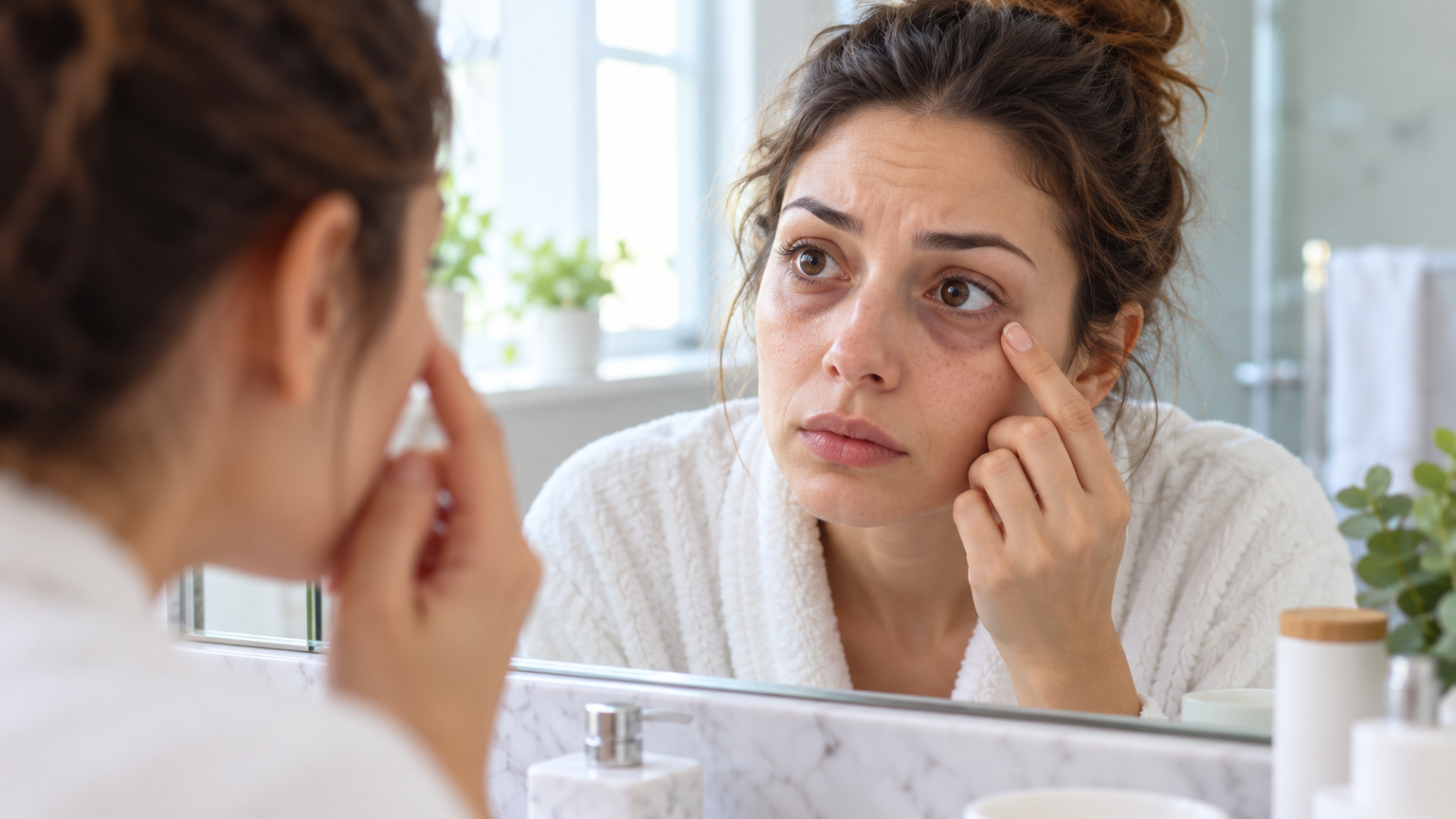
It is easy to blame sleep because the face often looks dull after a restless night. Yet dark circles despite sleep may point to daily triggers that continue even after you improve your bedtime routine. Small patterns, repeated over weeks, can matter more than one good night.
Allergies and eye rubbing
Itchy, watery eyes can lead to frequent rubbing. That friction irritates the delicate skin and may deepen pigmentation. Nasal congestion can also make the under-eye area look darker or puffier. Managing the trigger is usually more helpful than repeatedly covering the result with concealer.
Sun exposure and skin irritation
Unprotected sun exposure can encourage pigmentation, including around the eyes. Harsh scrubs, fragranced products, and strong active ingredients used too close to the lash line may also cause irritation. Gentle care is especially important in this area.
When tiredness makes an existing concern stand out
Lack of sleep dark circles can make vessels more noticeable and leave you looking puffy or pale. But sleep loss often acts like a spotlight on an issue already present, such as pigmentation or hollowness. That is why extra rest can improve your overall appearance without fully removing the shadows.
| What you notice | Possible reason | Useful first step |
|---|---|---|
| Brown under-eye tone | Pigmentation or irritation | Avoid rubbing and use sun protection |
| Blue or purple appearance | Visible vessels or congestion | Prioritise sleep and address allergy symptoms |
| Darkness that changes with lighting | Hollows or facial shadows | Seek a professional assessment |
| Morning puffiness | Fluid retention or allergies | Use a cool compress and review triggers |
Simple Habits That Can Make a Visible Difference
You cannot change every cause at home, but consistent gentle habits can prevent the under-eye area from looking worse. Focus on reducing irritation rather than trying every trending product.
- Use a broad-spectrum sunscreen around the face, applying carefully and avoiding direct eye contact.
- Remove makeup gently. Do not scrub or pull the skin when using cleanser or a towel.
- Use a cool compress for short periods when puffiness is noticeable in the morning.
- Raise your head slightly during sleep if you often wake with swollen under-eyes.
- Manage allergies with advice from a qualified healthcare professional, especially if itching is frequent.
- Choose mild, fragrance-free products if your eye area stings, flakes, or feels sensitive.
These steps may not erase structural shadows, but they support healthier-looking skin and reduce avoidable triggers.
Frequently Asked Questions
Why do I have dark circles even after sleeping well?
Sleep may not be the main issue. Pigmentation, genetics, thin skin, visible vessels, allergies, puffiness, and under-eye hollows can all contribute. A full night of rest can improve tiredness, but it cannot always change facial structure or natural skin colour.
Can dehydration cause dark circles?
Dehydration can make skin look dull and may make existing shadows appear more obvious. It is rarely the only explanation for persistent circles. Regular fluids support general wellbeing, but they may not remove pigmentation or hollowness.
When should I see a skin professional?
Consider an assessment if the darkness is persistent, suddenly changes, affects one side more than the other, or comes with swelling, itching, pain, or other symptoms. A professional can help identify the likely cause and discuss suitable options.
Find the Right Answer for Your Under-Eye Concerns
Persistent under-eye shadows are common, and they do not automatically mean you need more sleep. The key dark circle causes can include pigment, thin skin, allergies, puffiness, and natural hollows. Start with gentle habits, notice your triggers, and avoid harsh treatments around the eyes.
If you want a clearer understanding of what is affecting your under-eye area, explore Cleo Skin Clinic to take the next step towards professional skin guidance.